
SMS marketing for small business works because people read their texts. Done right, it means sending short, useful messages — appointment reminders, offers, restock alerts — to customers who agreed to receive them. Done wrong, it means complaints, blocked numbers and legal risk.
This guide covers the rules to follow in the US, text message marketing ideas you can use this week, what it costs, and how to pick a platform.
What is SMS marketing?
SMS marketing is sending promotional or informational text messages to a list of opted-in contacts. It includes one-off campaigns (a weekend offer), automated messages (an appointment reminder) and two-way conversations (a customer replying to book).
Text message marketing for small business is best for short, time-sensitive messages. Use email for longer content and texts for what needs attention today.
SMS marketing rules every small business should know
Texting rules are stricter than email rules. The basics, from official sources:
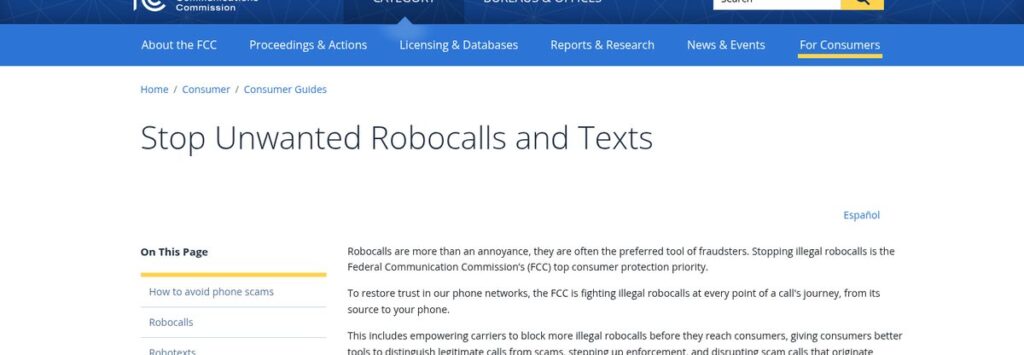
- Get consent first. The FCC’s consumer guide on unwanted robocalls and texts says FCC rules ban texts sent to a mobile phone using an autodialer unless the phone owner previously gave consent, and that commercial texts require written consent.
- Register your number. Messaging providers require registration for business texting. For example, Twilio’s A2P 10DLC documentation states that anyone sending SMS/MMS over a 10DLC number from an application to the US must register for A2P 10DLC. Most texting platforms walk you through this.
- Identify yourself and offer an opt-out. Start with your business name and tell people how to stop messages (for example, “Reply STOP to opt out”). Honor opt-outs right away.
- Respect timing. Send during reasonable local hours, and check any state rules that apply to you.
- Keep records. Save when and how each person opted in.
This is not legal advice. Texting laws and carrier rules change, and some states add their own requirements, so check the official sources or speak with a lawyer for your situation.
How to collect SMS opt-ins
- A checkbox on your website or booking form with clear wording about what you will text and how often (not pre-checked).
- A keyword people text to your number (“Text DEALS to…”) with a confirmation reply.
- At checkout, in store or online, with a separate opt-in for marketing texts.
- A QR code on signage that opens a pre-filled text or a sign-up form.
Make the value clear: “Get appointment reminders and members-only offers, about two texts a month.”
SMS marketing ideas for small businesses
| Business | Text idea | Why it works |
|---|---|---|
| Salon or spa | “A 3 PM slot just opened today. Reply YES to book.” | Fills last-minute gaps |
| Restaurant | “Tonight only: 2-for-1 appetizers for text club members.” | Time-sensitive and local |
| Home services | “Your AC tune-up is due. Book a slot here: [link]” | Drives repeat business |
| Retail store | “The item you asked about is back in stock.” | Personal and useful |
| Dental or medical office | “Reminder: your appointment is tomorrow at 10 AM. Reply C to confirm.” | Reduces no-shows |
| Gym or studio | “New Saturday class starts this week. Tap to reserve your spot.” | Easy action |
Other ideas: order and delivery updates, review requests after a visit, event reminders, and a short thank-you after a first purchase.
SMS marketing best practices
- Keep it short. One message, one point, one link or reply action.
- Lead with your business name so people know who is texting.
- Send less than you think. A few valuable texts a month beat daily promotions.
- Personalize with first names and past purchases where you have them.
- Make replies count. If you invite replies, make sure someone (or an approved automation) answers quickly.
- Track results with unique links or codes so you know which texts drive bookings and sales.
A simple SMS welcome flow to copy
Once someone opts in, a short automated welcome flow sets expectations and earns trust. Here is a three-message example for a local business:
- Right after opt-in: “Thanks for joining [Business] texts! Expect about 2 messages a month: reminders and member offers. Reply STOP to opt out, HELP for help.”
- A few days later: “Hi [First name], quick tip from [Business]: [one useful tip]. Questions? Just reply here.”
- About a week later: “[First name], as a thank-you for joining, here is [offer]. Book here: [link]. Reply STOP to opt out.”
Notice the pattern: who is texting, why it matters, one action, and a clear way out. Use the same structure for every campaign. Keep links short and branded where you can, avoid all-caps and long strings of emojis, and read each message on your own phone before it goes out. If a text would annoy you, it will annoy your customers too.
Best SMS marketing platform for small business: what to look for
- Built-in opt-in and opt-out handling
- Help with business number registration
- Two-way conversations, not just blasts
- Automation (reminders, follow-ups, missed-call text-back)
- A CRM or contact tags so you can segment
- Clear per-message pricing
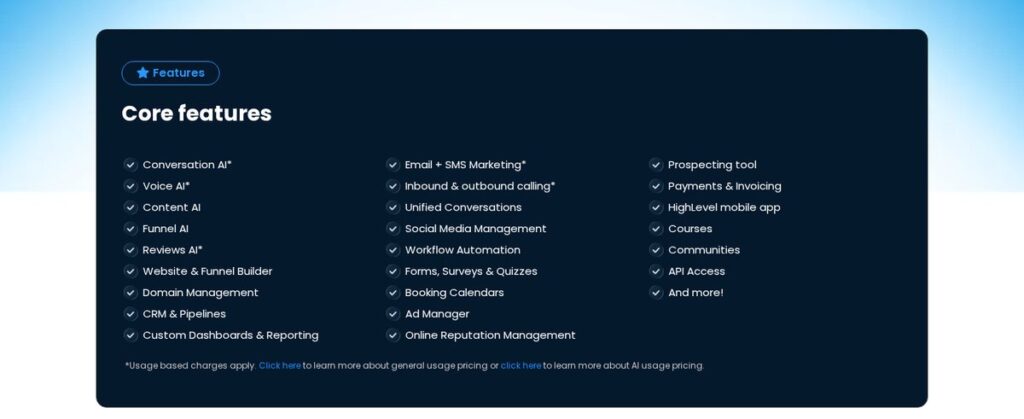
HighLevel is one option that combines SMS with CRM, email, booking calendars and workflow automation. Its pricing page lists “Email + SMS Marketing” among core features with usage-based charges, a 14-day free trial, and plans from $97/Month (Starter) as of November 2026. You pay the plan plus usage for texts, so check HighLevel’s usage pricing for current per-message rates. Learn more in our HighLevel review.
Affiliate link — we may earn a commission.
Email platforms are adding texting too. For example, Omnisend’s pricing page advertises SMS starting at $0.007 per message as of November 2026. Prices change; always check the official pricing page.
How much does SMS marketing cost?
Most platforms charge a monthly fee plus a per-message cost, and message costs vary by country, message length and whether you send MMS (images). Factor in number registration fees where your provider charges them. For a small business, the total usually depends far more on how many texts you send than on the plan itself.
Is there free SMS marketing for small business? Some tools offer free trials or free credits, but ongoing texting almost always has a per-message cost. Treat “free” plans as a way to test, not a long-term setup.
Related guides
- Marketing Automation for Small Business: Where to Start
- How to Follow Up With Leads (Timing, Channels and Templates)
- Omnisend Pricing 2026: Plans, Contacts and SMS Costs Explained
SMS marketing for small business FAQ
How much does it cost to do SMS marketing?
You typically pay a platform fee plus a per-message charge. As examples, HighLevel lists SMS as a usage-based charge on top of plans from $97/Month, and Omnisend advertises SMS from $0.007 per message, both as of November 2026. Check each provider’s current pricing.
Is SMS marketing illegal?
No, but it is regulated. The FCC says commercial texts require written consent, and providers require business number registration. Always get clear opt-in, identify your business and honor opt-out requests. This is not legal advice.
What do small businesses use for text message marketing?
Many use a dedicated texting platform, an email platform with SMS add-ons, or an all-in-one CRM such as HighLevel that combines texting with automation and booking.
How often should a business send marketing texts?
Less often than email. Many businesses send a few marketing texts per month plus transactional messages like reminders. Tell people the expected frequency when they opt in and stick to it.
Make texting part of your follow-up system
SMS works best when it is connected to your CRM, booking and email. If you want help setting it up the right way, get a free marketing audit or explore our AI automation solutions.