
Knowing how to follow up with leads comes down to a few habits: respond within minutes, use more than one channel (phone, text, and email), and keep following up on a planned schedule for at least a week or two before moving quiet leads into a longer nurture sequence. Every message should be short, personal, and give the lead an easy next step. Below you will find the best timing, how often to follow up, which channels to use, and copy-and-paste templates.
Why most leads are lost in follow-up
Most small businesses do not lose leads because the leads are bad. They lose them because the first reply is slow, the second reply never happens, and nobody keeps track of who still needs a call. A simple follow-up system fixes all three problems.
The goal is not to pester people. It is to be the business that is easy to reach, clear about the next step, and still around when the buyer is ready.
The best time to follow up with leads
The best time to follow up is as soon as possible after the lead comes in. Someone who just filled out your form is still thinking about the problem and is more likely to answer. Research published in Harvard Business Review, “The Short Life of Online Sales Leads”, found that most companies are not responding to online inquiries nearly fast enough.
After the first contact, timing depends on your buyer:
- Local services (home repair, health, beauty): Same day, ideally within minutes, then daily for the first few days.
- Higher-ticket services: Within the hour, then every two to three days.
- B2B: Same business day, then a few times per week, spaced out over two to three weeks.
For calls, try different times of day. If a lead does not pick up in the morning, try late afternoon. Text and email can go out any time within reasonable hours for the lead’s time zone.
How often to follow up with leads
A common mistake is stopping after one or two attempts. Plan a sequence of touches across channels. Here is a simple schedule many service businesses can adapt:
| Day | Channel | Action |
|---|---|---|
| Day 0 (minutes) | Text + email | Instant confirmation with next step |
| Day 0 (within the hour) | Phone | First call; voicemail + text if no answer |
| Day 1 | Phone + text | Second call, short text |
| Day 2 | Helpful info: FAQs, photos, reviews | |
| Day 4 | Text | Quick check-in question |
| Day 7 | Phone + email | Call and an email with a clear offer |
| Day 10–14 | Text or email | “Should I close your file?” breakup message |
| After day 14 | Monthly newsletter or nurture sequence |
Adjust the pace if the lead replies. Once someone responds, the sequence should stop and a person should take over the conversation.
How to follow up with sales leads by channel
Phone
Calls are still the fastest way to qualify and book. Keep the first call short: confirm what they asked for, ask one or two questions, and offer a specific time. If you get voicemail, leave a 15–20 second message and send a text right after.
Text message
Texts are read quickly and feel personal. Keep them under two or three sentences and always identify your business. Only text people who gave you permission, include an easy way to opt out, and follow the rules that apply to your business. Texting rules come from federal law, including the Telephone Consumer Protection Act (TCPA), and from carriers and states. This is not legal advice, so check with a professional if you are unsure.
Email is best for details: photos, pricing guides, case studies, and scheduling links. Use a clear subject line, keep the body short, and put one call to action in each message.
Social messages and DMs
If the lead came from Facebook, Instagram, or LinkedIn, a reply in the same app can feel more natural than a cold call. Move to phone or email once they engage.
Lead follow-up templates
Copy these and adapt them to your business and voice.
Instant text reply
“Hi [Name], this is [Your Name] from [Business]. Thanks for your request about [service]. I’ll call you in the next few minutes from this number. Reply STOP to opt out.”
Voicemail follow-up text
“Hi [Name], [Your Name] from [Business] here. Just tried calling about your [service] request. When’s a good time to talk today?”
Day 2 email
Subject: Your [service] questions answered
“Hi [Name], here are answers to the questions most people ask before booking [service]: [link]. If it helps, you can grab a time that works for you here: [booking link]. — [Your Name]”
Day 4 check-in text
“Hi [Name], still looking for help with [problem]? Happy to answer any questions.”
Breakup message (day 10–14)
“Hi [Name], I haven’t heard back, so I’ll close out your request for now. If you’d still like help with [service], just reply here and I’ll pick it up.”
How to automate lead follow-up
Doing all of this by hand is hard once leads pick up. A CRM with automation can send the instant reply, schedule each follow-up, remind your team to call, and stop the sequence the moment someone replies.
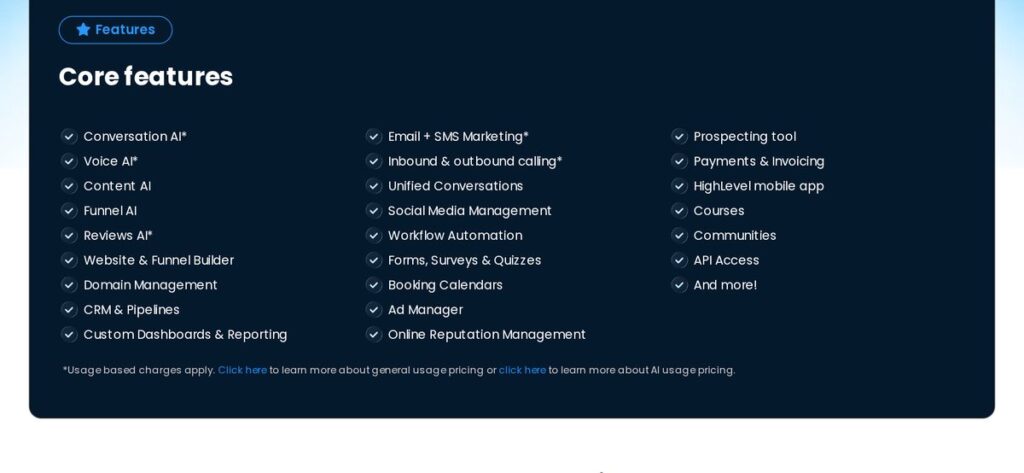
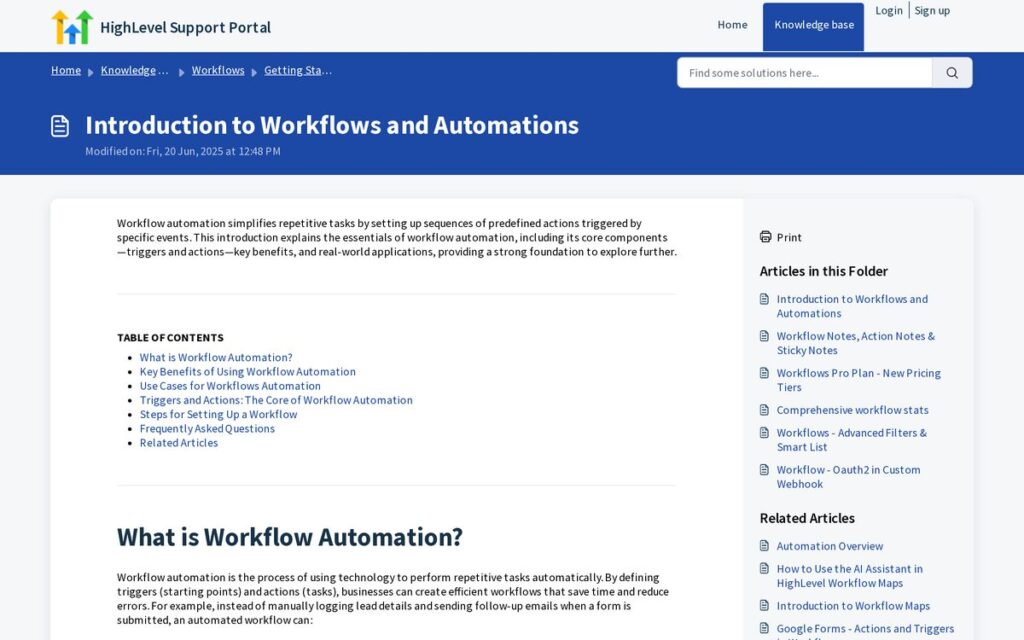
HighLevel (often searched as GoHighLevel) is a CRM with forms, calendars, texting, email, missed-call text-back, and workflows. Its introduction to workflows explains how triggers (like a form submission or a contact replying) start actions (like sending an email or assigning a lead to a team member). As of November 2026, HighLevel’s pricing page lists a free 14-day trial and three plans: Starter at $97/month, Unlimited at $297/month, and Founder at $497/month. Usage-based charges (for example texts, calls, email, and some AI features) are billed on top, and prices change, so check the official pricing page before you sign up.
Affiliate link — we may earn a commission.
See what kinds of tasks you can automate in our article on how much time HighLevel automation can save, or read the full HighLevel review.
Follow-up mistakes to avoid
- Waiting until the end of the day to call back.
- Sending the same generic message to everyone.
- Giving up after one attempt.
- Following up without a clear next step.
- Texting without permission or an opt-out.
- Not tracking attempts, so leads fall through the cracks.
Related guides
- Speed to Lead: Why Fast Follow-Up Wins More Customers
- Marketing Automation for Small Business: Where to Start
- Cold Email Templates That Get Replies: 10 Examples for Small Businesses
- How to Reduce No-Show Rates for Appointments: 12 Fixes
How to follow up with leads FAQ
How do you follow up with a lead?
Reply within minutes, confirm what they asked for, and offer a clear next step such as a call or a booking link. If they do not respond, follow up on a schedule across phone, text, and email.
How many times should you follow up with a lead?
There is no fixed number, but many businesses plan six to eight touches over one to two weeks across several channels, then move quiet leads to a monthly nurture sequence.
How do I professionally say I will follow up?
Be specific: “I’ll call you tomorrow at 10 a.m. to go over the options” or “I’ll send the quote by Thursday afternoon.” A clear time builds trust, so make sure you keep it.
What is the best time to follow up with leads?
As soon as possible after the inquiry, ideally within minutes. After that, vary call times and keep texts and emails within reasonable hours for the lead’s time zone.
Need a follow-up system that runs itself?
We build follow-up sequences and CRM automations so every lead hears from you fast. Get a free marketing audit or see our AI automation solutions.