
A marketing plan for a small business is a short document that says who you’re trying to reach, what makes you the better choice, which channels you’ll use, what you’ll spend, and how you’ll measure results. It turns a vague goal like “get more customers” into a list of actions with dates and a budget. You can write a useful one in a few hours, and this guide gives you a simple template and a worked example.
The U.S. Small Business Administration puts it plainly: marketing takes time, money and preparation, and one of the best ways to stay on schedule and on budget is to make a marketing plan.
What a Marketing Plan for a Small Business Should Include
The SBA’s marketing guidance lists the sections most marketing plans cover. Here they are, with what each one means in practice:
| Section | What to write | Example question to answer |
|---|---|---|
| Target market | Who your customers are: size, demographics, traits, trends | Who buys from us most often, and why? |
| Competitive advantage | Why customers should choose you | What do we do better than nearby competitors? |
| Sales plan | How people actually buy, step by step | Do customers call, book online or walk in? |
| Marketing and sales goals | What you want to achieve in the next year | How many new customers per month? |
| Marketing action plan | Channels, pricing, promotions, after-sale support | Which three channels will we focus on? |
| Budget | A complete breakdown of marketing costs | What will each channel cost per month? |
| Measure and update | How you’ll compare costs to revenue (ROI) | Which channels brought customers last quarter? |
The SBA also recommends maintaining your marketing plan at least once a year and measuring return on investment so you know which parts are working.
How to Write a Small Business Marketing Plan in 7 Steps
1. Describe your target market
Be specific. “Homeowners within 15 miles who need emergency plumbing” is more useful than “everyone with a house”. Look at your best existing customers: where they live, what they bought, how they found you and what they cared about.
2. Write down your competitive advantage
List two or three real reasons customers pick you: faster response, a specialty, better warranties, convenient hours, a local reputation. These become the core messages in your ads, website and social posts.
3. Map your sales process
Write each step a customer takes from first hearing about you to paying. Where do people drop off? A slow reply to web forms or a confusing booking page can waste marketing money before it starts.
4. Set specific goals
Pick goals you can measure: new customers per month, booked appointments, email subscribers or revenue from a service line. Tie each goal to a deadline.
5. Choose your marketing strategies and channels
Most small businesses do better with three channels done well than ten done poorly. Common marketing strategies for small business include:
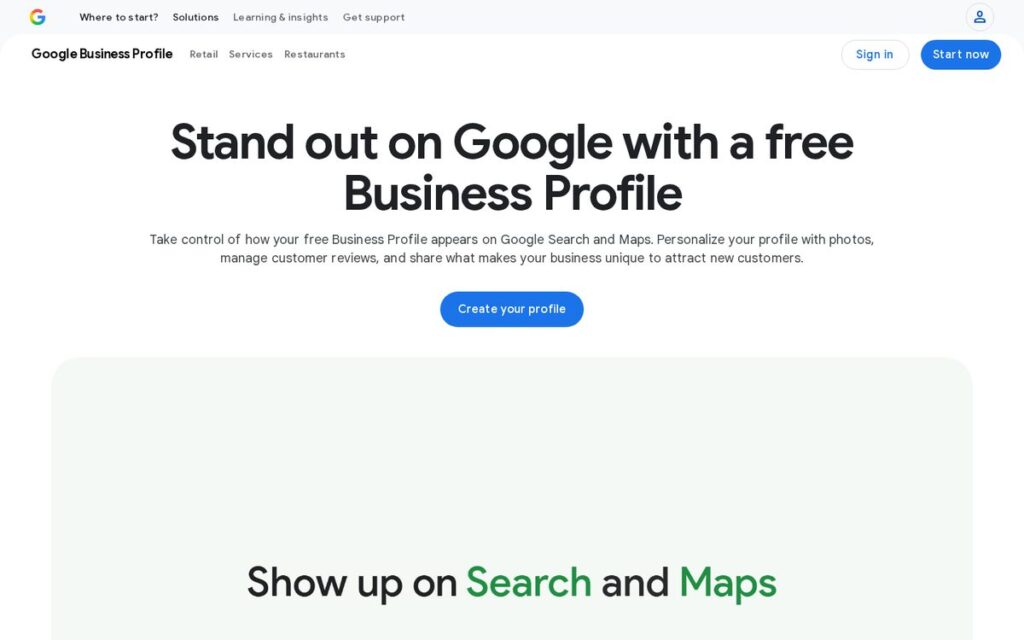
- A free Google Business Profile to show up on Google Search and Maps.
- Search engine optimization for your website.
- Google Ads for people actively searching for your service.
- Social media for awareness and trust.
- Email marketing to bring past customers back.
- Referral and review programs.
6. Set your budget
List what each channel will cost: ad spend, tools, freelancers or agency fees, printing and your own time. The SBA advises being as accurate as possible and tracking costs once the plan is running. If you’re unsure where to start, set a small test budget for each channel, give it enough time to show results, and move money toward what works.
7. Decide how you’ll measure results
For each channel, pick one or two metrics that connect to revenue: calls, form fills, bookings, sales. Review monthly, and compare marketing costs to the revenue they produced.
Marketing Plan for Small Business Example
Here’s a short, hypothetical example for a local business to show how the pieces fit together. The SBA’s own example follows a similar pattern: a small auto repair shop that targets local drivers, stresses superior service and affordability, buys ads on local news websites and radio, and sets a date to compare costs to revenue.
| Section | Example: “Bayside Pet Grooming” (fictional) |
|---|---|
| Target market | Dog owners within 10 miles, busy professionals and families |
| Competitive advantage | Online booking, evening appointments, certified groomers |
| Sales plan | Customers find us on Google or Instagram, book online, pay at pickup |
| Goals (12 months) | Grow monthly bookings and get more repeat customers through reminders |
| Channels | Google Business Profile, Instagram, email reminders, referral card |
| Budget | Monthly line items for social ads, booking software and printed cards |
| Measurement | Bookings by source, repeat rate, reviews per month; reviewed monthly |
Simple Marketing Plan Template
Copy this into a document and fill in each line:
- Business summary: what you sell and where.
- Target customer: one or two short customer profiles.
- Competitive advantage: two or three reasons to choose you.
- Goals: three measurable goals with deadlines.
- Channels: three channels and what you’ll do in each.
- Monthly calendar: key promotions, seasons and launches.
- Budget: cost per channel per month.
- Metrics: the numbers you’ll check monthly.
- Review date: when you’ll update the plan.
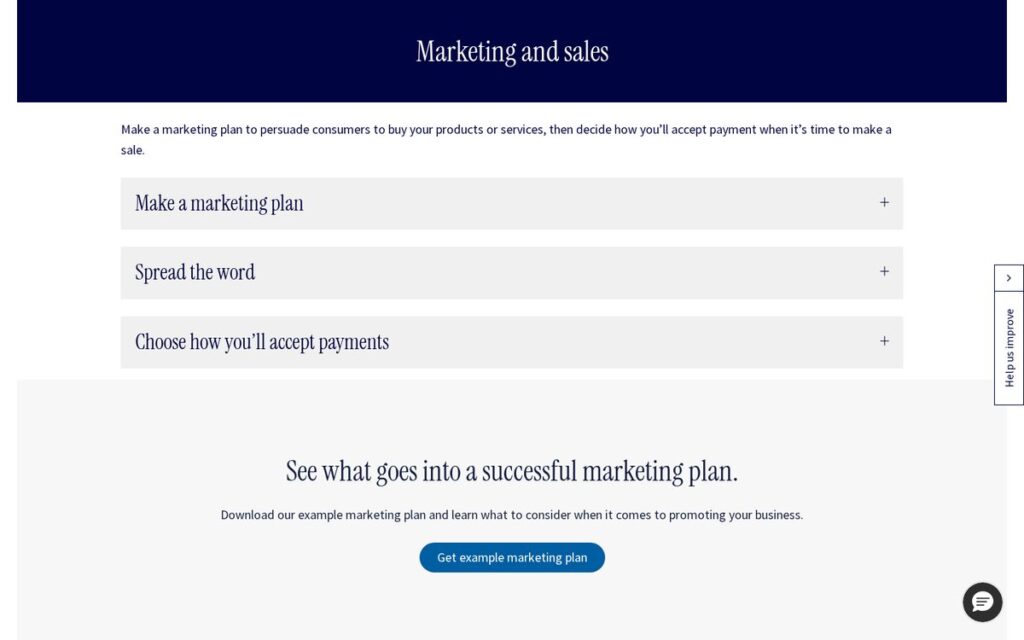
If you prefer a ready-made document, SCORE offers a free marketing plan template you can download, along with a marketing calendar spreadsheet to schedule activities and track performance through the year. The SBA also offers a downloadable example marketing plan on its marketing and sales page.
Don’t Forget Operations
The SBA points out that operations shape your marketing more than many owners expect. Details like staff uniforms, where your product is made, or how returns work all affect the customer’s experience — and that experience decides whether people come back and recommend you or warn their friends away.
So add a short “customer experience” line to your plan: how quickly you reply to inquiries, how you follow up after a sale, and how you ask for reviews. These cost little and make every marketing dollar work harder.
Common Marketing Plan Mistakes
- Trying to reach everyone instead of a clear target customer.
- Picking channels because competitors use them, not because your customers do.
- No budget, so spending drifts month to month.
- No tracking, so you can’t tell what works.
- Writing the plan once and never looking at it again.
For more tool ideas to carry out your plan, see the best digital marketing tools for small businesses.
Related guides
- Marketing Budget for a Small Business: How to Set One
- Customer Retention Strategies for Small Businesses: 12 That Work
- How to Generate Leads for a Small Business: 15 Proven Ways
Marketing Plan for Small Business FAQ
How do you write a small business marketing plan?
Define your target market and competitive advantage, map how customers buy, set measurable goals, choose a few channels, set a budget and decide how you’ll measure results. Review it at least yearly.
What is the 3-3-3 rule for marketing?
There’s no single official version. It’s commonly used as a focus framework, such as three target audiences, three key messages and three channels. The point is to keep your plan small enough to execute well.
What are the 7 parts of a marketing plan?
A common breakdown, close to the SBA’s list, is target market, competitive advantage, sales plan, goals, action plan, budget, and measurement.
How long should a small business marketing plan be?
Long enough to be useful and short enough to read. For most small businesses, a few pages or a one-page summary plus a budget sheet is plenty.
Want Help Putting Your Plan Into Action?
A plan only works if it gets executed. get a free marketing audit from ScaleMyClick and we’ll help you choose the right channels, from SEO to social media marketing.