
The best customer retention strategies for a small business are simple: make the first experience easy, follow up after every sale, stay in touch with useful messages, and give regular customers a reason to come back. You do not need a big budget. You need a repeatable system that runs every week, even when you are busy.
This guide walks through 12 customer retention strategies that work for local businesses, service companies and online shops, with real examples, a simple 30-day plan, and the tools that make it easier to keep going.
What are customer retention strategies?
Customer retention strategies are the actions you take to keep existing customers buying from you instead of drifting to a competitor. Lead generation fills the top of your funnel. Retention keeps the bottom from leaking.
For most small businesses, retention comes down to three things: the quality of the experience, how often you stay in touch, and whether customers feel remembered. Every strategy below improves at least one of those.
Why retention needs a plan, not good intentions
Most owners agree that repeat customers matter. The problem is that follow-up is the first thing to slip when the week gets busy. A retention plan turns “we should check in more” into scheduled steps: a thank-you message after a job, a reminder before the next service is due, a check-in when someone has not bought in a while.
Writing the plan down also makes it easy to automate later. Once you know what you want to send and when, an email platform or CRM can do the sending for you.
12 customer retention strategies that work
1. Treat onboarding as the first retention moment
The first week after a purchase decides whether a customer comes back. Send a short welcome message that confirms what they bought, what happens next, and how to reach you. For service businesses, a quick “here is what to expect on the day” note removes a lot of anxiety.
2. Follow up after every purchase or job
A follow-up message 2–5 days after the sale is one of the easiest wins. Ask if everything went well, share one helpful tip, and make it easy to reply. Problems you hear about early are problems you can fix before they turn into a lost customer or a bad review.
3. Use email to stay useful between purchases
Email is still the cheapest way to stay in front of people who already know you. Keep it useful: seasonal tips, new services, a short “what we are working on” update, or an offer for regulars. One good email a month beats five rushed ones.
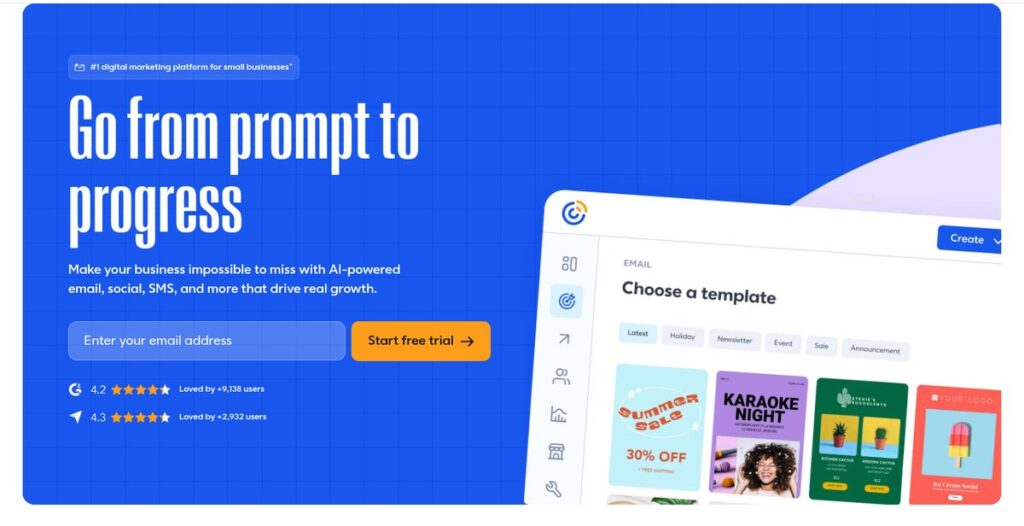
Email platforms such as Constant Contact include templates, sign-up forms and automated welcome series, so you can set a sequence once and let it run.
Affiliate link — we may earn a commission.
4. Segment customers in your CRM
One of the most practical customer retention strategies in CRM software is segmentation. Tag customers by what they bought, when they last bought, and how they found you. Then send messages that fit: a maintenance reminder for one group, a new-product note for another, a win-back offer for people who have gone quiet.
Even a basic CRM or a well-kept spreadsheet works. What matters is that every customer record shows the last purchase date and the service or product they used.
5. Build a simple loyalty or “regulars” offer
Loyalty programs do not have to be punch cards or apps. A small perk for repeat customers — priority booking, a free add-on on the third visit, early access to new services — tells people you notice them. Keep the rules short enough to explain in one sentence.
6. Ask for feedback and close the loop
Send a two-question survey after key moments: “How did we do?” and “What could we do better?” Then reply to the people who answer, especially the critical ones. Closing the loop (“you mentioned the wait time, here is what we changed”) is what turns feedback into loyalty.
7. Make support easy to reach
Customers leave when it feels hard to get help. List your phone number, email and hours clearly on your website and in every email footer. If you offer chat or text, set expectations for reply times and stick to them.
8. Personalize with data you already have
You already know a lot about your customers: their name, what they bought, when, and sometimes why. Use it. Address people by name, reference their last purchase, and skip offers that make no sense for them. Personal does not mean complicated; it means relevant.
9. Send reminders before the next purchase is due
Many businesses have a natural repeat cycle: HVAC tune-ups, dental cleanings, oil changes, pet grooming, refills. Set reminders a little before the next visit is due and include a direct link to book. This is often the single highest-value automation for local service businesses.
10. Win back customers who have gone quiet
Pick a time frame that fits your business (for example, no purchase in six months) and send a friendly check-in. Ask if anything changed, share what is new, and include a reason to return. Some people simply forgot about you; a reminder is enough.
11. Stay visible on social media and Google
Customers who follow you on social media or see your Google Business Profile updates are reminded of you between purchases. Share helpful posts, behind-the-scenes updates and customer stories (with permission). Our social media marketing team can help if you want this done consistently.
12. Measure retention every month
Track a few simple numbers in a spreadsheet: repeat purchase rate (customers who bought more than once ÷ total customers), churn for subscriptions (customers lost ÷ customers at the start of the period), and the average time between purchases. Watching the trend tells you whether your retention work is paying off.
Customer retention strategies examples by business type
Here are customer retention strategies examples you can adapt to your own business:
| Business type | Retention strategy | Example in practice |
|---|---|---|
| Home services (HVAC, plumbing) | Service reminders | Email and text reminder before the seasonal tune-up with a booking link |
| Dental or medical practice | Recall messages | Cleaning reminder plus an easy reschedule option |
| Restaurant or cafe | Regulars offer | Free drink or dessert on the fifth visit, tracked in your POS |
| Ecommerce store | Replenishment emails | “Running low?” email timed to the product’s usual use cycle |
| Agency or consultant | Quarterly reviews | Short results review call and a plan for the next quarter |
| Fitness studio | Win-back campaign | Check-in message after three weeks of no bookings |
Tools that make customer retention easier
You can run retention with a notebook, but tools make it consistent:
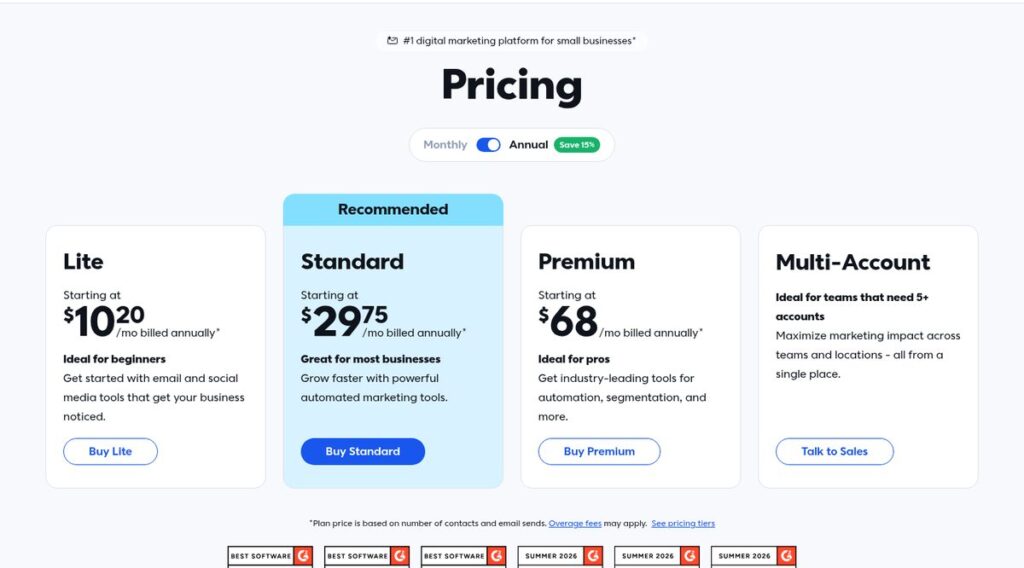
- An email marketing platform for welcome series, newsletters and reminders. Constant Contact’s pricing page lists Lite from $10.20/mo, Standard from $29.75/mo and Premium from $68/mo, billed annually, as of November 2026; plan price depends on your number of contacts. Prices change; check the official pricing page.
- A CRM to store purchase history, tags and notes. All-in-one platforms such as HighLevel combine CRM, email, SMS and automation in one place.
- A review and feedback tool to collect and respond to customer feedback quickly.
- A shared calendar or booking tool so repeat customers can rebook in a few clicks.
If you want a deeper look at options, see our guide to the best digital marketing tools for small businesses.
Affiliate link — we may earn a commission.
How to retain customers: a 30-day starter plan
- Week 1: Export your customer list and add the last purchase date to every record.
- Week 2: Write three messages: a post-purchase follow-up, a service or reorder reminder, and a win-back check-in.
- Week 3: Load the messages into your email platform or CRM and set the timing rules.
- Week 4: Send a short feedback survey to recent customers and reply to every answer.
- Every month after: Review your repeat purchase rate and adjust one message at a time.
If you already use HighLevel, these steps map neatly to workflows. Our article on how much time HighLevel automation can save shows where automation fits.
Related guides
- Marketing Automation for Small Business: Where to Start
- Lead Nurturing Strategy for Small Businesses: A Step-by-Step Plan
- How to Create a Sales Funnel for a Small Business (Free Options Included)
- Marketing Plan for a Small Business: Example and Simple Template
Customer retention strategies FAQ
What are five effective strategies for retaining customers?
Five strategies that work for most small businesses are: following up after every purchase, sending reminders before the next purchase is due, segmenting customers in a CRM, offering a simple perk for regulars, and asking for feedback and acting on it.
What are the three R’s of customer retention?
Different marketers define them differently. A common version is recognition (remember who your customers are), relationship (stay in touch between purchases) and reward (give regulars a reason to come back). The labels matter less than doing all three consistently.
What are examples of retention strategies?
Examples include a welcome email series, seasonal service reminders, a loyalty perk on repeat visits, win-back emails after a period of inactivity, quarterly check-in calls for B2B clients, and a feedback survey after each job.
How do you measure customer retention?
Start with repeat purchase rate (customers with two or more purchases divided by all customers) and, for subscription businesses, churn rate (customers lost during a period divided by customers at the start). Track both monthly and compare the trend.
Keep more of the customers you already earned
Retention is not a one-time campaign; it is a habit your business runs every week. If you want help building the follow-up, email and automation side of it, get a free marketing audit and we will show you where customers are slipping away. You can also explore our AI automation solutions.