
Landing page best practices come down to one idea: give visitors exactly what the ad, email, or post promised, and make the next step obvious. That means a clear headline that matches the source, one focused offer, a short form, real proof, fast loading on mobile, and nothing that distracts from the call to action. Below are 14 landing page best practices for 2026, with examples and a checklist you can use today.
What is a landing page?
A landing page is a standalone web page built for a single goal, such as getting a quote request, a booking, a download, or a sale. Unlike your homepage, it does not try to tell your whole story. Google defines landing page experience in its Ads resources as “an estimate of how relevant and useful your website’s landing page will be to anyone who clicks your ad,” which is a good way to think about every landing page, paid or not.
14 landing page best practices for conversion
1. Match the message to the source
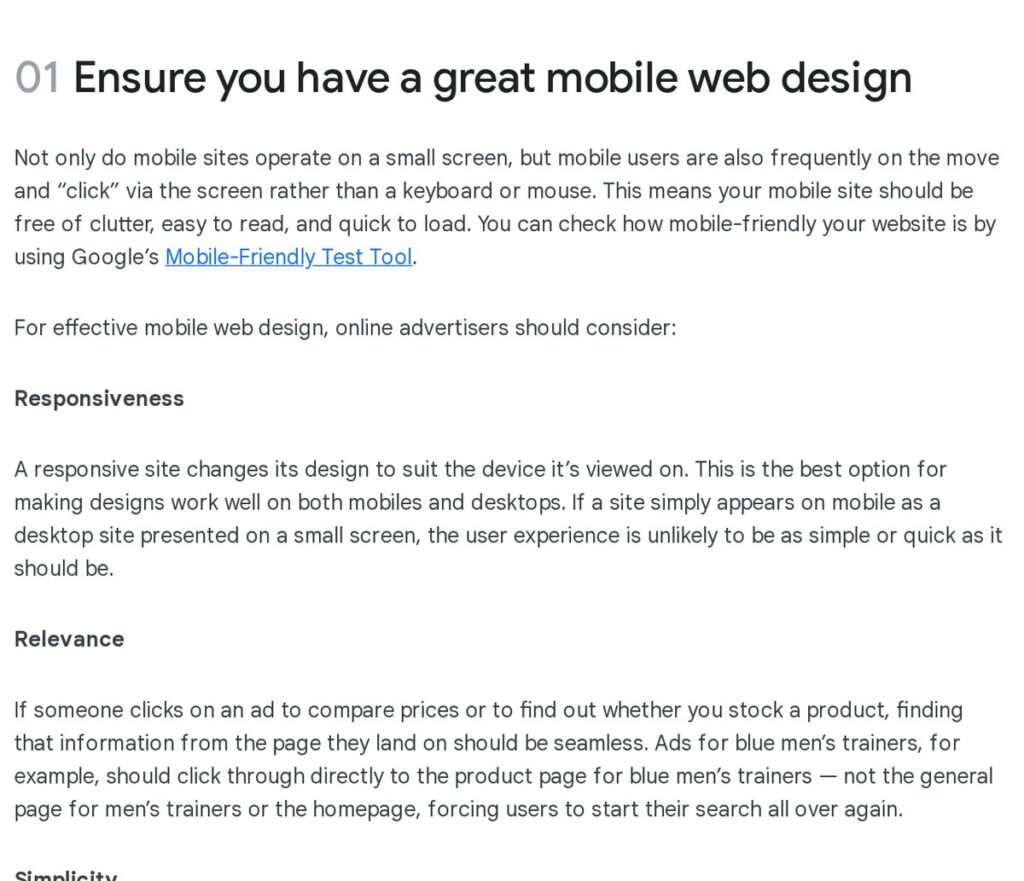
If an ad says “Free roof inspection in Tampa,” the landing page headline should say the same thing. Google’s article 5 things to consider when optimizing your mobile landing page gives a simple example: an ad for a specific product should click through to that product, not a general category page or the homepage.
2. Focus on one goal
Pick one action you want visitors to take. Every extra link or offer competes with it. If you have two offers, build two landing pages.
3. Write a clear, benefit-led headline
Say what the visitor gets, not what you do. “Get a same-week quote for commercial cleaning” beats “Welcome to ABC Cleaning Services.” Add a short subheadline that answers “why you?”
4. Put the call to action where people can see it
Show your main button or form near the top of the page on both desktop and mobile, and repeat it after key sections. Use action words on the button: “Get my free quote,” “Book my call,” “Download the checklist.”
5. Keep forms short
Ask only for what you need to follow up. For most service businesses, that is a name, a phone number or email, and maybe one qualifying question. You can collect more details later.
6. Design for mobile first
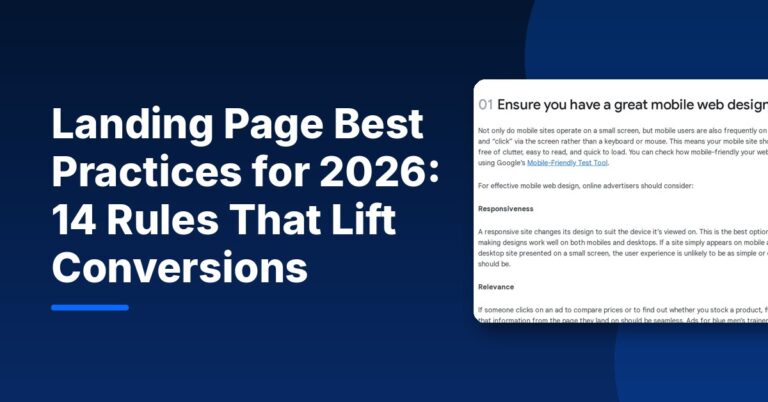
Google’s article notes that mobile sites should be “free of clutter, easy to read, and quick to load,” and recommends responsive design so the page adapts to each device. Test every landing page on a real phone: tap the buttons, fill the form, and read the text without zooming.
7. Make it load fast
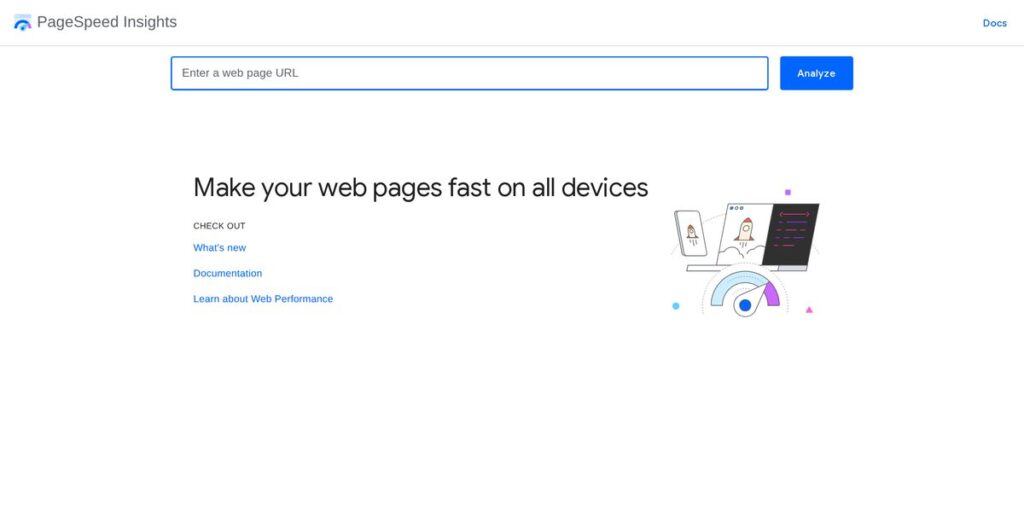
The same Google article states that “prospects will wait only seconds for mobile web pages to load before going elsewhere,” and points to PageSpeed Insights as a free tool to check site speed. Compress images, limit heavy scripts, and avoid autoplay video above the fold.
8. Remove distractions
Hide the main navigation menu on dedicated landing pages, and avoid full-screen pop-ups. Google’s article warns that pop-ups covering the screen “can disrupt the user experience.”
9. Show real social proof
Add genuine reviews, client logos (with permission), ratings from third-party sites, and short testimonials with names. Never invent reviews or numbers. Place proof near the call to action, where doubt is highest.
10. Explain the offer clearly
List what is included, how it works, and what happens after someone submits the form. A simple three-step “How it works” section reduces anxiety and questions.
11. Use images that show the real thing
Photos of your actual team, work, or product build more trust than generic stock photos. Keep images compressed so they do not slow the page.
12. Answer objections with a short FAQ
Address the top three to five concerns: price, timing, contracts, service area. This keeps people on the page instead of leaving to search.
13. Track conversions
Set up conversion tracking so you know which sources produce leads and sales. Without it, you cannot tell whether a change helped or hurt.
14. Test one change at a time
Try a new headline, offer, or form length, and compare results over a meaningful number of visitors. Small, steady improvements add up.
Landing page best practices checklist
| Element | Best practice | Quick check |
|---|---|---|
| Headline | Matches the ad or post, states the benefit | Would a visitor know what they get in 5 seconds? |
| Offer | One clear goal | Is there only one main action? |
| Call to action | Visible near the top, repeated | Can you see it without scrolling on a phone? |
| Form | As short as possible | Does every field earn its place? |
| Speed | Fast on mobile | Checked in PageSpeed Insights? |
| Proof | Real reviews and results | Is every claim verifiable? |
| Distractions | No nav menu, no full-screen pop-ups | Is anything pulling people away? |
| Tracking | Conversions measured | Do you know your conversion rate? |
Landing page best practices examples
- Local service business: Headline “Same-Day AC Repair in St. Petersburg,” a short form (name, phone, issue), three reviews, a “How it works” section, and a click-to-call button.
- Agency or consultant: Headline “Get a Free Marketing Audit,” a short description of what the audit includes, a booking calendar, and two short case studies.
- Lead magnet: Headline “Download the 10-Point Website Launch Checklist,” three bullets on what is inside, an email field, and a preview image.
- Webinar: Headline with the topic and date, what attendees will learn, the presenter’s background, and a one-field registration form.
Tools to build landing pages
You do not need a developer to follow these landing page best practices. Many funnel and website builders include templates, forms, and email follow-up.
Systeme.io is one all-in-one option that includes funnels and landing pages, email marketing, automation rules, and A/B tests. As of November 2026, the systeme.io pricing page shows a Free plan at $0 (no credit card required) with 3 funnels, 1 automation rule, 1 custom domain, and up to 2,000 contacts. Paid plans on monthly billing are Startup at $17, Webinar at $47, and Unlimited at $97 per month. Prices change, so check the official pricing page. If you already use it, our guides on how to adjust the mobile version in Systeme.io and how to connect a domain in Systeme.io cover two common setup steps.
Affiliate link — we may earn a commission.
Related guides
- How to Create a Sales Funnel for a Small Business (Free Options Included)
- Facebook Lead Ads for Small Business: Setup and Follow-Up Guide
- How to Generate Leads for a Small Business: 15 Proven Ways
- Google Business Profile Posts: Examples and Best Practices
Landing page best practices FAQ
What makes a good landing page?
A good landing page has one clear goal, a headline that matches where the visitor came from, a visible call to action, a short form, real proof, and fast loading on mobile.
How long should a landing page be?
As long as it needs to be to answer the visitor’s questions. Simple, low-cost offers can be short. Higher-priced services usually need more detail, proof, and an FAQ.
Should a landing page have navigation?
Usually not. Removing the main menu keeps visitors focused on the one action you want them to take. Keep a link to your privacy policy and contact details in the footer.
How do I improve my landing page conversion rate?
Match the headline to the ad, shorten the form, add real reviews near the call to action, improve mobile speed, and test one change at a time.
Want landing pages that convert?
We design and build landing pages for ads, SEO, and email campaigns, and connect them to your follow-up. Get a free marketing audit or see our website design and development services.