
A lead nurturing strategy is a planned way to stay helpful and in touch with leads who are not ready to buy yet, so you are the obvious choice when they are. For a small business, that usually means segmenting leads by interest, sending a short automated email (and sometimes SMS) sequence with useful content, following up personally when someone shows buying signals, and measuring what moves people forward. This step-by-step plan shows you how to build one.
What is lead nurturing?
Lead nurturing is the process of building a relationship with potential customers over time. Instead of pushing every lead to buy right away, you answer their questions, share proof, and stay top of mind until they are ready. It covers everything from a welcome email after someone downloads a guide to a check-in text a month after a quote.
Most leads are not ready on day one. Some are researching, some need approval, and some are waiting for budget or the right season. Without nurturing, those leads are forgotten. With it, they come back to you.
Why small businesses need a lead nurturing strategy
- You already paid for the lead. Nurturing gets more value from ad spend, SEO, and referrals you already have.
- Buying cycles vary. A homeowner might plan a remodel months in advance; a B2B buyer might need several conversations.
- Trust takes time. Helpful, consistent contact builds credibility before the sales conversation.
- It runs in the background. Once set up, automation handles most of the routine messages.
Lead nurturing strategy: a step-by-step plan
Step 1: Define your stages
Keep it simple. For most small businesses, three stages are enough:
- New lead: Just downloaded, inquired, or signed up.
- Engaged: Opening emails, clicking links, replying, or visiting your pricing page.
- Sales-ready: Asked for a quote, booked a call, or showed a clear buying signal.
Step 2: Segment your leads
Group leads by what they are interested in and where they came from: service type, location, lead magnet downloaded, or industry. Even two or three segments make your messages far more relevant than one generic list.
Step 3: Map content to each stage
| Stage | Goal | Content examples |
|---|---|---|
| New lead | Welcome and deliver value | Welcome email, the promised download, “what to expect” |
| Engaged | Educate and build trust | How-to tips, FAQs, before-and-after photos, case studies |
| Sales-ready | Make it easy to buy | Pricing guide, booking link, limited-time offer, personal call |
Step 4: Build a welcome sequence
Your first sequence matters most. A simple five-email welcome series over about two weeks might look like this:
- Email 1 (immediately): Deliver what they asked for and set expectations.
- Email 2 (day 2): Answer the most common question about your service.
- Email 3 (day 5): Share a real example or customer story you can document.
- Email 4 (day 8): Address a common objection (cost, timing, trust).
- Email 5 (day 12): Invite them to take the next step with a clear call to action.
Step 5: Add personal follow-up for buying signals
Automation should support people, not replace them. When a lead clicks a pricing link, replies, or revisits your site, have someone call or send a personal message.
Step 6: Keep a long-term nurture going
Leads who do not buy after the welcome sequence move to a regular newsletter or monthly tips email. Seasonal reminders work well for local services (“time to schedule your fall furnace check”).
Step 7: Measure and improve
Track replies, clicks, booked calls, and sales by segment and sequence. Rewrite emails that get no engagement and remove steps that do not help.
Lead nurturing campaigns: 5 examples
- Lead magnet follow-up: After a checklist download, send three tips on using it and an offer for a free consultation.
- Quote follow-up: After sending a quote, follow up with an FAQ email, a project photo gallery, and a check-in call.
- Webinar nurture: Send the replay, a summary of key points, and an invitation to book a call.
- Re-engagement: For leads who have gone quiet for months, send a short “still interested?” email with something new.
- Post-purchase nurture: Ask for a review, share care tips, and remind customers about related services.
Lead nurturing examples by business type
Home services. A homeowner requests a quote for a new roof but wants to wait until spring. Send a short email with what affects the price, a gallery of recent projects, a reminder before the busy season, and a personal call when spring arrives.
Professional services. A prospect downloads a tax deadline checklist from an accounting firm. Follow up with a short series on common mistakes, a reminder before each key deadline, and an invitation to book a review call.
Fitness or wellness. Someone signs up for a free class but does not join. Send a thank-you, a short beginner’s guide, a member story shared with permission, and a limited-time offer for a first month.
B2B services. A marketing manager attends your webinar. Send the replay, a one-page summary, a relevant case study you can document, and a personal email from the presenter offering a short call.
In every example, the messages answer questions the buyer actually has at that stage, and a real person steps in when the lead shows interest.
Tools for lead nurturing
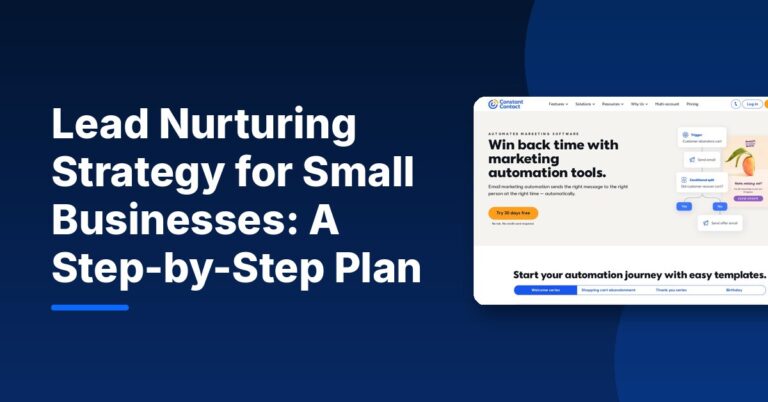
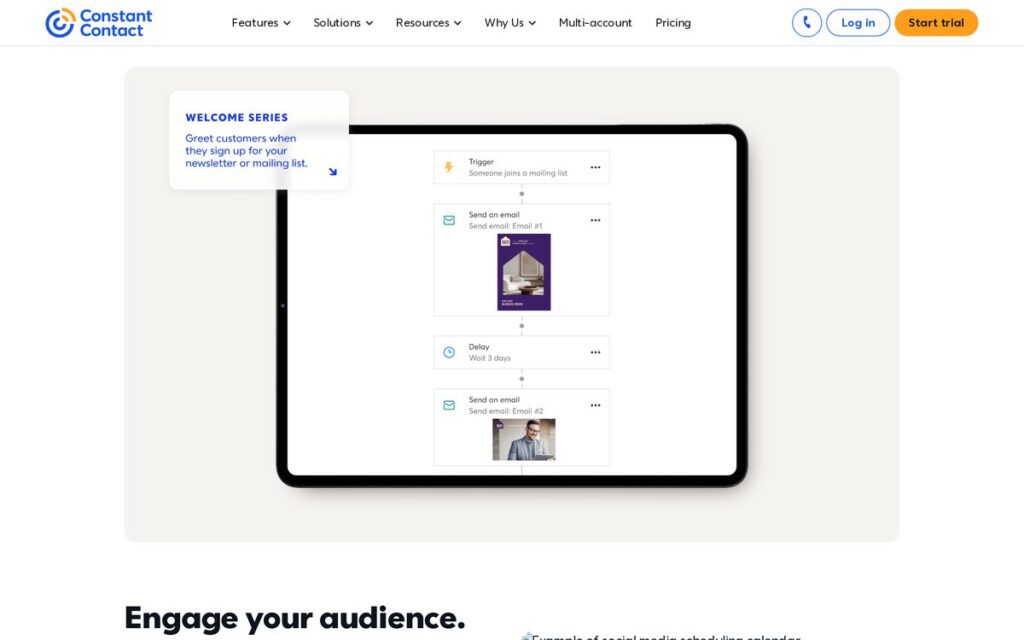
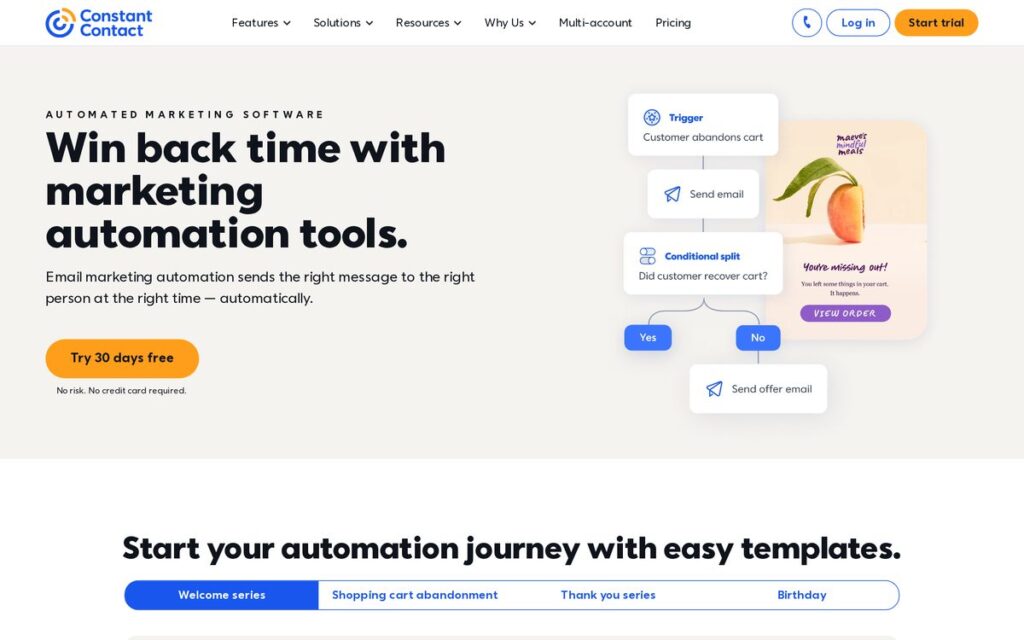
You need an email marketing tool with segmentation and automation, and ideally SMS. Constant Contact is one option built for small businesses. Its email and SMS automation page lists ready-made automation templates (such as a welcome series, shopping cart abandonment, thank-you series, and birthday emails), resending to non-openers, behavior-based tags and segments, and the ability to build your own automation path. The page also offers a 30-day free trial with no credit card required. As of November 2026, that page lists Lite at $12/month, Standard at $35/month, and Premium at $80/month, with a note that plan price is based on number of contacts and email sends and that overage fees may apply. Prices change, so check the official pricing page before you sign up.
Affiliate link — we may earn a commission.
If you need a full CRM with texting and pipelines as well, see our GHL vs HubSpot comparison or our list of the best digital marketing tools for small businesses.
Lead nurturing best practices
- Be useful first. Every message should help, not just sell.
- Keep emails short. One idea and one call to action per email.
- Personalize beyond the first name. Reference the service or resource they were interested in.
- Respect preferences. Make unsubscribing easy and follow email and texting laws. This is not legal advice.
- Don’t nurture forever. Remove leads who never engage to protect your sender reputation.
Related guides
- Marketing Automation for Small Business: Where to Start
- Customer Retention Strategies for Small Businesses: 12 That Work
- How to Create a Sales Funnel for a Small Business (Free Options Included)
- 21 Lead Magnet Ideas That Work for Small Businesses
Lead nurturing strategy FAQ
What does lead nurturing mean?
It means building a relationship with potential customers over time by sending helpful, relevant messages until they are ready to buy, rather than pushing for a sale on the first contact.
What are some lead nurturing strategies?
Common strategies include segmented email sequences, educational content, personalized follow-up when leads show buying signals, retargeting, SMS reminders with consent, and long-term newsletters.
What is the 5 minute rule for leads?
It is a common sales goal of contacting a new inbound lead within five minutes. Fast first contact and lead nurturing work together: quick follow-up catches ready buyers, and nurturing keeps everyone else warm.
What are examples of lead nurturing?
A welcome email series after a download, a follow-up sequence after a quote, a webinar replay email, a re-engagement campaign, and post-purchase review and referral requests.
Want help building your nurture sequences?
We plan and build email and SMS nurture campaigns that turn more of your existing leads into customers. Get a free marketing audit or explore our AI automation solutions.